
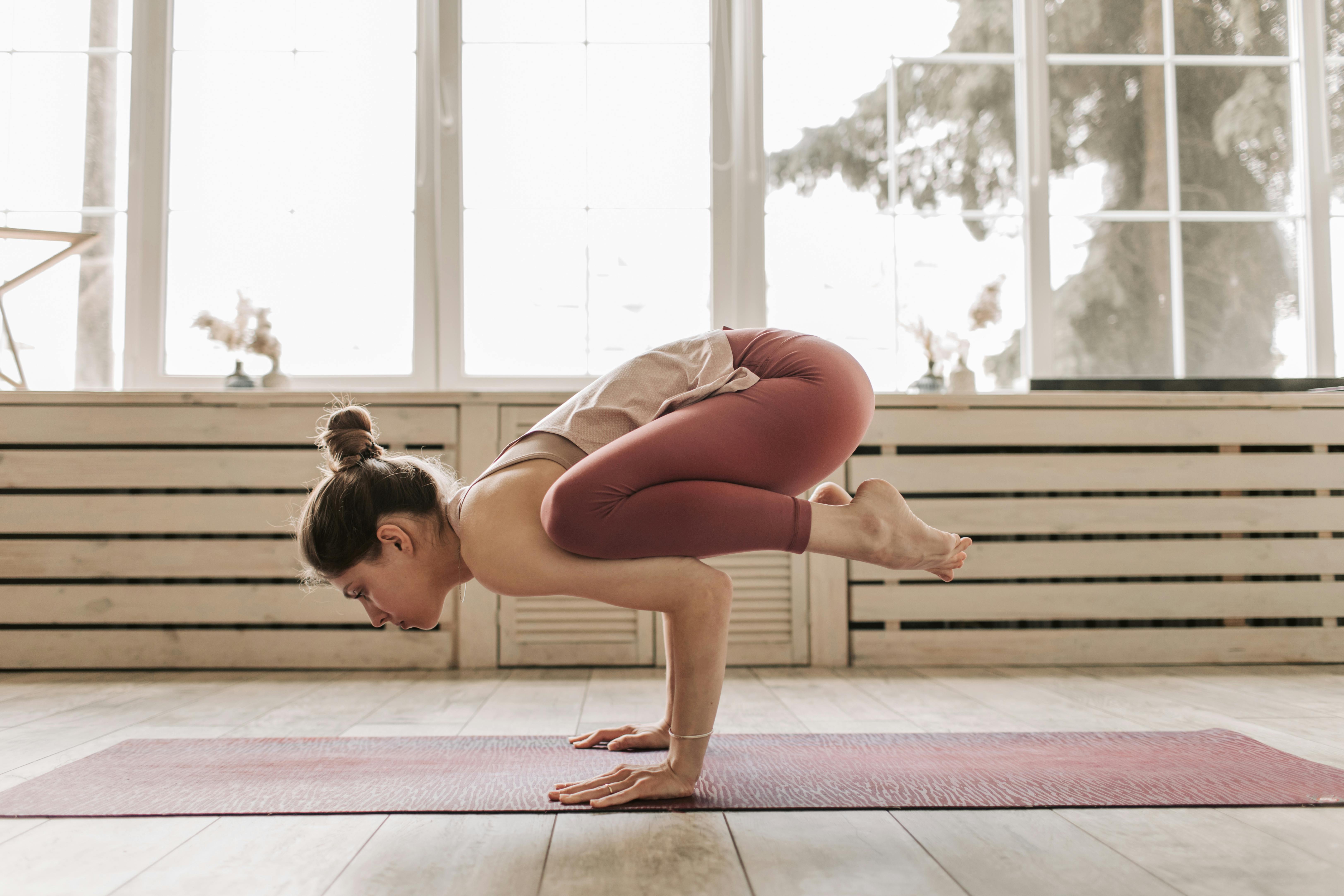
If I had to choose one yoga pose category that’s my favorite, I’d pick yoga balancing poses. I love yoga balancing postures because there’s always somewhere new to go in them. They’re challenging, and whether it’s lifting my foot up higher in Dancer Pose (Natarajasana) or holding my prayer hands steadier in Half-Lotus Tip Toe Pose (Ardha Padma Prapadasana), there’s always something for me to work on.
Progressing in balancing poses makes me feel like I’m progressing as a yogi and Alexandria, VA yoga teacher. Any level yogi can work on improving their balance. While these types of poses can be intimidating, use the following 5 tips to stay steady in your next balancing pose practice.
1. Engage the Core

Your core functions just like it sounds – it supports your entire body, including your balance. According to Mayo Clinic, engaging your core improves stability, balance and steadiness.
While most people think of the core as abdominal muscles, it also includes your lower back, pelvis and hips. When I cue students in Alexandria yoga classes to “engage your core” in a balancing posture, I usually remind them to bring the belly button to the spine. It’s like you’re zipping up your abs and all your core parts to create a solid base and support you in your balance.
When you engage the core, you’re strengthening this trunk of your body that can be a strong source of support as you balance.
2. Make Every Part Active
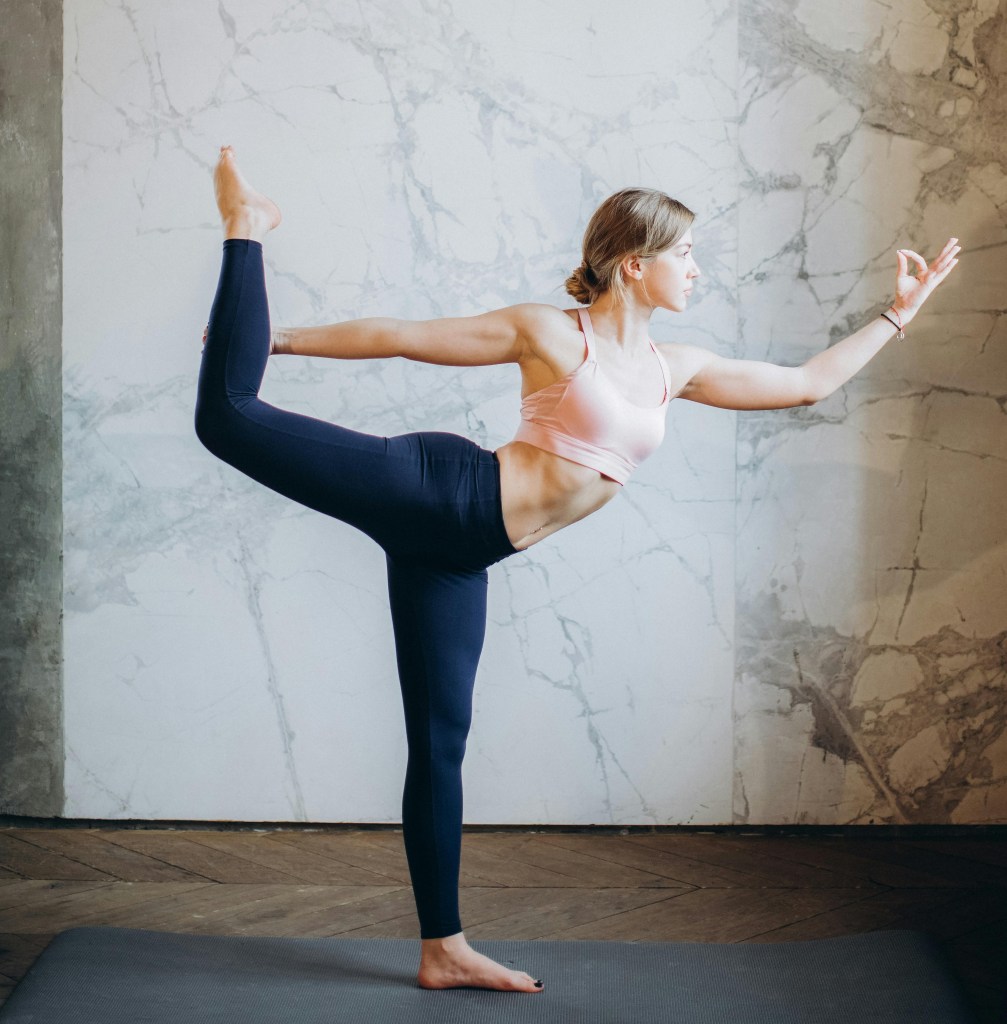
A common way to fall off balance is when we’re not engaging other parts of our body. For example, if you’re coming into a One-Legged Tadasana (Mountain Pose), but you’re neglecting the upper body and letting it fall forward, you may lose your balance. If you focus on keeping the spine and neck long, however, that can help you stay upright.
In poses like Half-Lotus Tip Toe and One-Legged Tadasana, we also want to flex the raised foot, to activate that top leg. Doing so fires up other muscles so that they’re engaged and supporting you in your balance.
Even being mindful of your hands and keeping them active has a ripple effect that alerts every part of your body to activate, align and balance, as well.
3. Use Yoga Drishti

Yoga drishti, as explained by Yoga International, is the practice of actively gazing and focusing your attention through sight. I’ve also heard yoga teachers say, “Find a drishti,” which simply means finding a spot in front of you to focus on. This helps you avoid darting your attention around in multiple places, which can throw you off balance.
Indeed, a review of studies published in the “Journal of Physical Therapy Science” found externally focusing your attention can help improve balance. Once you’ve settled into a balance posture, try to focus on the same spot or object in front of you to keep your balance.
4. Use the Breath
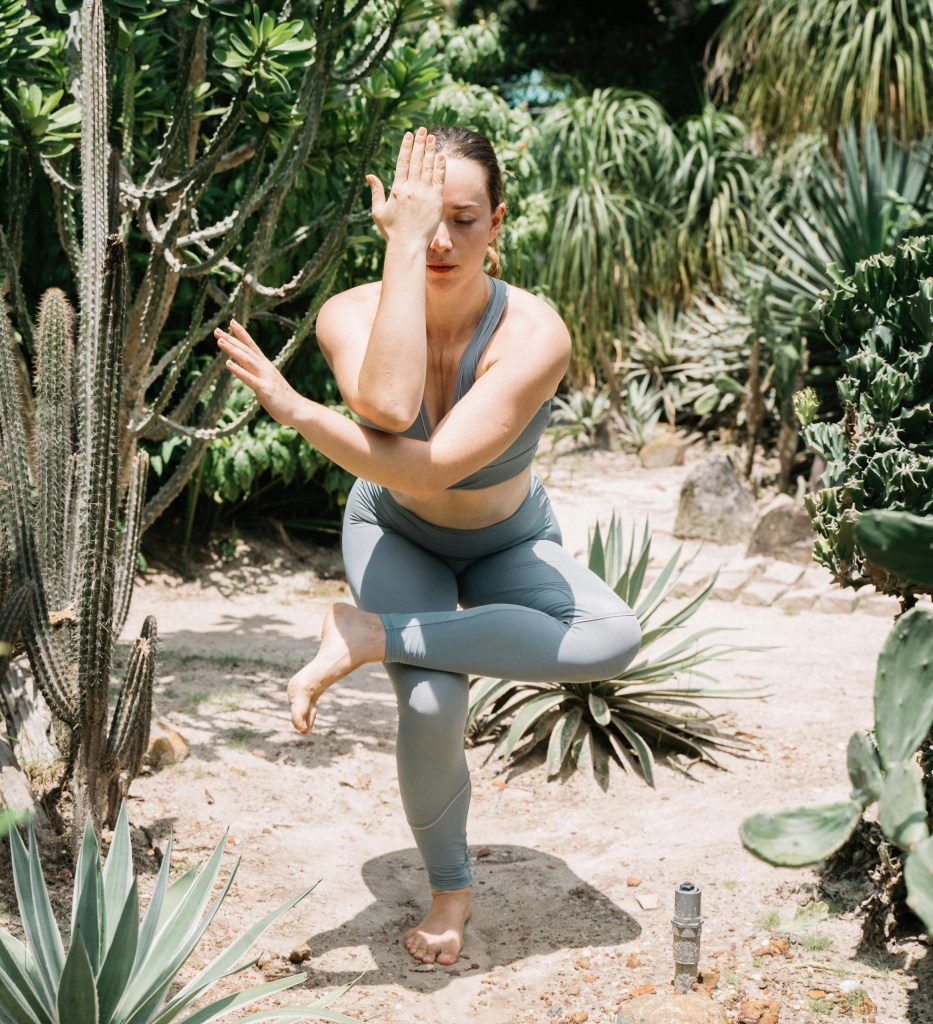
Like any pose or sequence in a yoga practice, the breath should be a top focus to go deeper into the pose. As Penn State explains, proper breath control directly relates to how effective your exercise routine, including practicing balance, will be. If you’re holding your breath and then need to gasp for air while in a balancing pose, that can be enough to throw you off balance.
Try to use mindful, steady breathing to keep your steady in a balancing posture. Deep breaths can help you stay calm, even in a balancing pose that can create some stress or anxiety if it’s particularly challenging. Holding your breath can make your body unnecessarily tense, which could make balancing more difficult.
5. Don’t Compare Yourself to Others

This last tip is more of a mental tip for balancing poses. Watching what others are doing instead of focusing on what’s on your own mat can limit you in where you can go in your balancing postures. Remember that with balancing poses:
- Everyone has to start somewhere. Very rarely does someone get into an advanced balancing posture easily on the first try.
- Falling off balance happens to most of us. Take a breath, and get right back in the pose.
- Yoga is a practice. Every time you practice a balancing pose, you’re advancing your progress in some way.
When you’re practicing yoga, especially balancing poses, it’s a great opportunity to take time to focus on yourself and go inward, rather than worry about how others are doing and how you compare to them. Many people are often in their own heads. Take this as a comfort that we’re often our own harshest critics.
Use balance poses as an opportunity to get playful in your practice. You’ll only go somewhere new if you give yourself permission to try, even if that means falling out of the pose. No worries!
What’s Your Favorite Balancing Posture?
I love so many balancing postures, including Dancer, Crow Pose (Bakasana), Half Lotus Tip Toe, Reverse Hand to Foot Pose (Parivrtta Hasata Padangusthasana) and so many more. My goal when doing balancing poses in yoga is to simply “go somewhere new”. That might mean physically, by lifting my foot up higher, or holding the pose for a few seconds longer. But it also might mean gaining better control of my breath or simply focusing solely on what I’m doing on my mat, not what others are doing.
Is there a balancing pose you’d like me to write about on this yoga in Alexandria, VA, blog? Leave a comment, or message me.
About the author: Nicki Escudero is a journalist and RYT-200 yoga instructor certified by Yoga Alliance. She teaches group and private yoga classes in Alexandria, VA, and Washington, DC. Contact Nicki.



Leave a Reply