
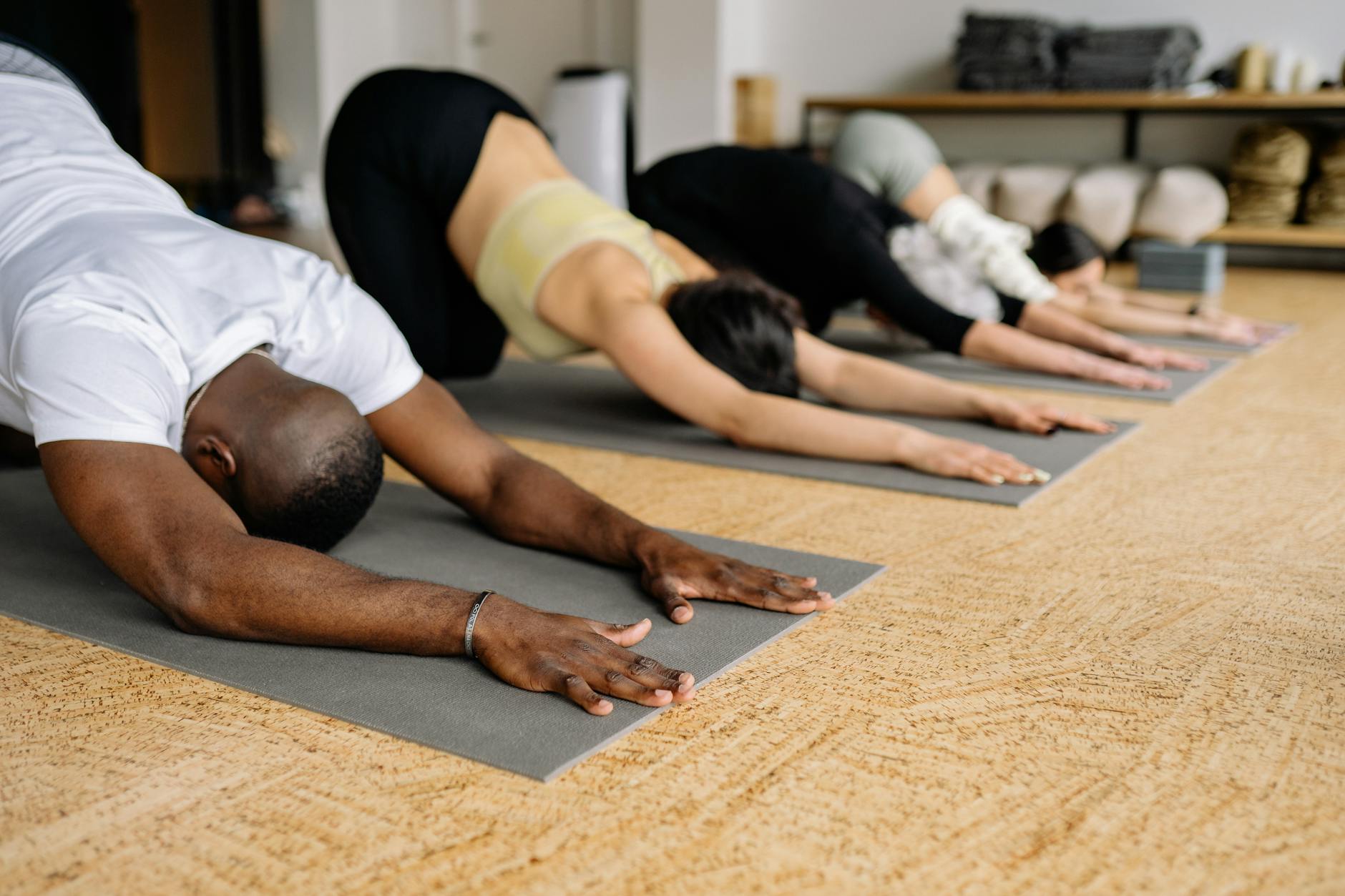
One of the greatest thrills I get as a teacher is teaching someone their very first yoga class ever. This is such an honor to me, because I know that it could kickstart a lifelong yoga practice that truly transforms someone’s life.
I remember my very first yoga class. I was 19 years old and a summer camp counselor at YMCA in Scottsdale, AZ. I got a free gym membership as an employee, and I would often spend time working out by running or taking weight lifting classes. One day, I stopped into a yoga class after seeing it on the schedule. I left totally underwhelmed.
I think at that point in my life, I was expecting every fitness class to give me what I considered then to be a workout. This gentle yoga class bored me. I didn’t see the point.
I didn’t take my next yoga class until I was around 26 years old. I went to Sumits Yoga in Scottsdale, a hot yoga studio that taught Bikram yoga, a set sequence of postures that’s the same for every class. It was my first time taking hot yoga, and it was challenging. I left feeling invigorated and wanting to do more.
While I wish I would have stuck with yoga back when I was 19 and not had a 7-year gap in-between classes, I do believe everything happens for a reason, and I’m happy with my yoga journey. That being said, here are five things I’d prime brand-new students for when taking their very first yoga class.
1. Equip Yourself
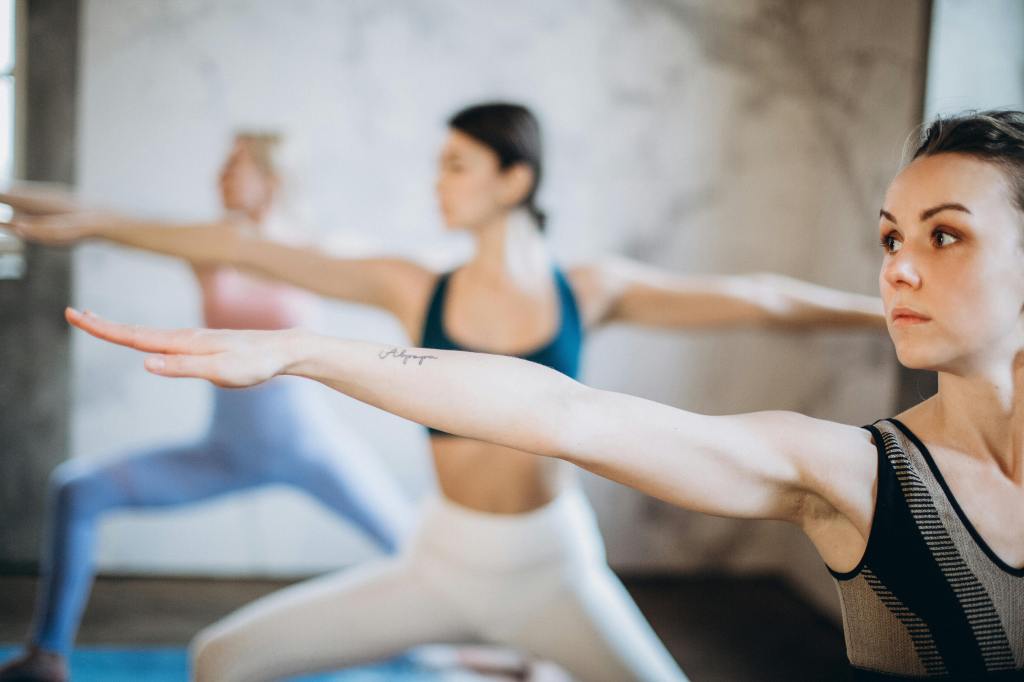
At the YMCA, I borrowed a mat that was there because I didn’t have my own. At the recreation centers I teach at, we have several mats available for students to borrow, as well.
When I arrived to Sumits (I was meeting a friend for a fitness outing), I came without a mat. My only option was to buy one. It cost me more than $100, but I actually use the very same mat I bought that day at Sumits, more than a decade later. I don’t know what brand it was, but if you’re going to buy a yoga mat, my advice is: invest in quality. My mat has been in hundreds of hot yoga classes and hasn’t degraded at all.
There are yoga mats that creep up to $200, which seems very expensive, but if you’ll use it for 10+ years, a high-quality yoga mat is worth it. Look for one that’s thick and sticky, so it won’t slide around the floor. Simple padded mats may not be intended for yoga and could increase your risk of slipping and injuring yourself.
On that note: examine the mats in a fitness center to ensure you’re choosing the right one. At the fitness center I teach at, for example, both soft cushioned mats and thinner sticky yoga mats are housed in the same fitness rooms, but the sticky yoga mats are the ones students should use. Ask your teacher to help you find a safe mat. The most important thing is that it has grip, so that it won’t slide on a hard floor.
2. Bring a Water Bottle

Drinking water can help you safely move through any gym workout, but it’s essential in a hot yoga class. In a hot yoga class, temperatures will usually climb to at least 90°F and will combine with humidity. I’ve seen someone pass out in a hot yoga class before, where emergency services had to be called in to help the student.
I don’t write this to scare you from trying a hot yoga class, but to reinforce the importance of having water available to drink – and of stepping out of the room if you feel lightheaded or dizzy. Which leads to the next point…
3. Take Breaks as Often as You Need To
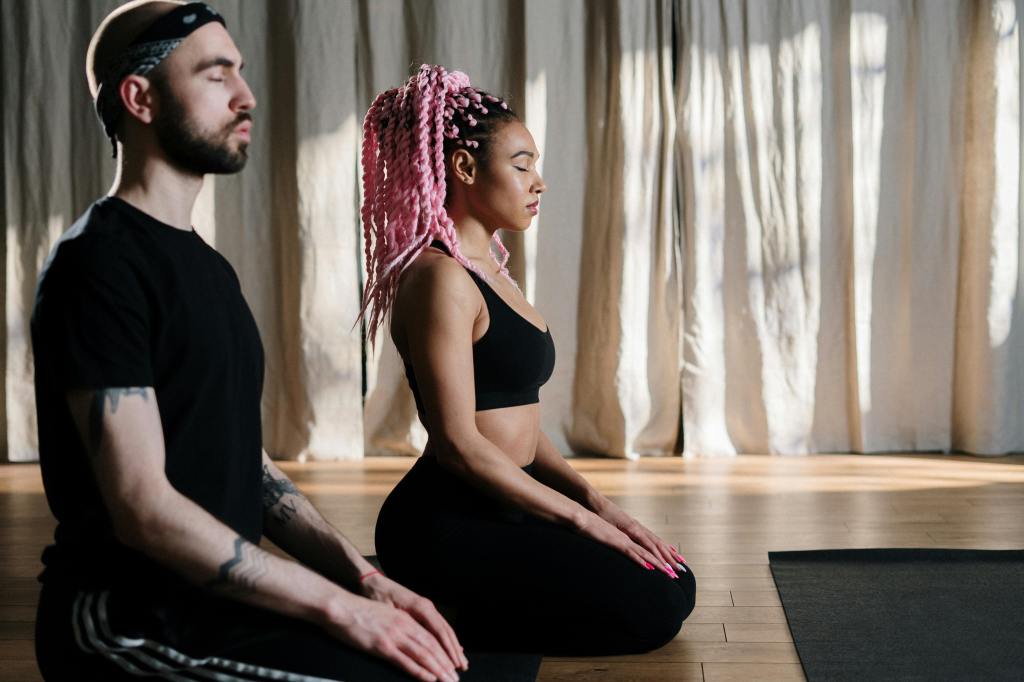
This is something I remind my students of every single class, even in non-heated, gentle flow sessions. For first time yoga practitioners, this may be a workout you’re not used to. The most important thing to do in a yoga class is to:
Listen to your body.
Take a Child’s Pose (Balasana) when you need to rest. You can even lie down in Savasana (Corpse Pose) all class long, if that’s what your body needs that day. Walk out of the room, and take a break if you need to.
Yoga can be a highly emotional practice. Because it’s meditation in motion, it’s totally normal to feel like you’re unlocking emotions or feeling vulnerable. It may prompt some tears.
At any point, you’re empowered to do what feels right to you in the moment. That may be modifying a pose that the instructor is cuing. It may be sitting down on your mat and resting for a moment. Or it may be walking outside to process what you’re feeling.
Your workout is your own. Don’t worry about how others may perceive you. I feel like we’re mostly in our own heads, rather than focused on what others are doing. Hopefully that brings some comfort that how you spend time on your mat is exactly what’s right for you.
4. Communicate With Your Teacher

As a teacher, I always find it helpful to learn about my new students before a practice. I:
- Ask their name, so I can give personalized reinforcement during a practice
- Ask what they’re looking for out of a practice, whether it’s relaxation or focusing on a certain area of the body, so I can make sure we incorporate that in the practice
It’s helpful if you introduce yourself to a teacher and let them know what you’re looking for. That way, they can pay extra attention to you during class to help you ensure you’re meeting your goals.
If there’s no time before class, it’s also helpful to provide feedback to the teacher after class, especially if you plan on attending again. My philosophy as a teacher is that I’m there to serve my students. If I can incorporate a specific posture that helps my students reach their goals, or even play music my students will like, that helps make the class a more pleasant experience for returning students.
5. Be Open-Minded
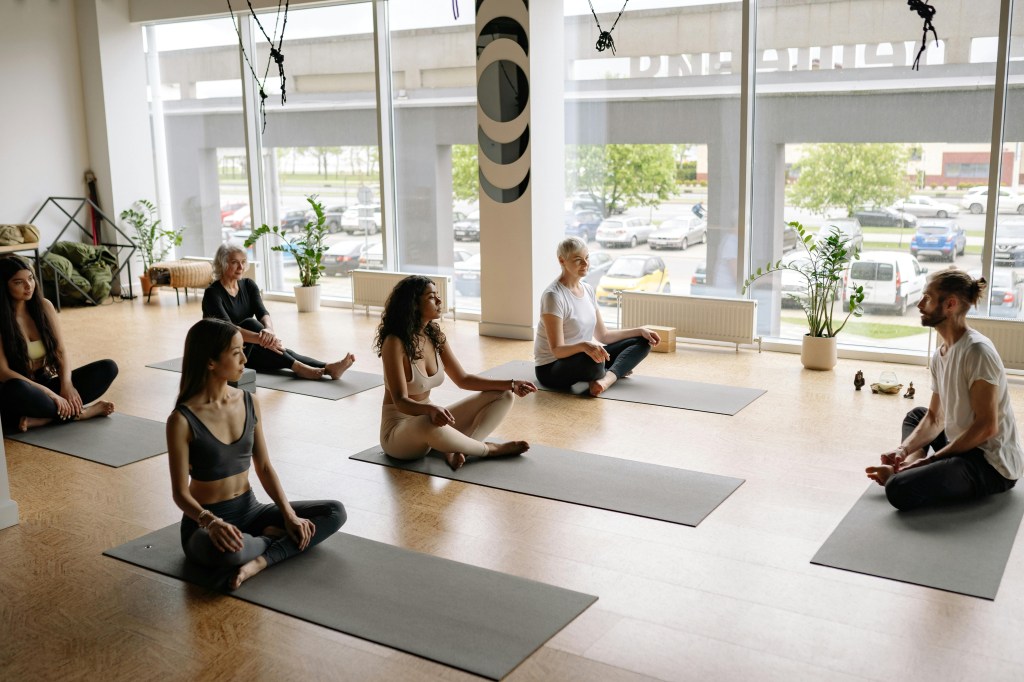
There are countless forms of yoga, from deep stretching and holding poses for minutes at a time, to “one breath, one movement” classes that have you moving for nearly all of class. For every style of yoga, there are thousands of teachers who each have their own unique approach to yoga instruction.
For my teenage self, that first yoga class I took didn’t impact me, but subsequent ones made me a lifelong yogi. I would encourage you not to count yoga out after a single class if it didn’t wow you then and there.
Make it a goal to simply move your body in new ways in your practice. You can always make a practice more challenging by engaging your core, or squeezing your glutes, even in a simple pose like Mountain Pose (Tadasana). One of the most challenging things to do in a yoga practice is to steady your breath. You can also close your eyes and try to quiet the mind, which are also practices that make yoga more challenging.
If you’re going to take an hour or so of your time to try out a yoga class, try to make it enjoyable in some way. At the very least, you’re exposing yourself to a new experience and are broadening your worldview. That’s something to celebrate and be proud of.
I’d love to hear from you! What was your very first yoga class like? What do you wish would have been different? Share your thoughts in the comments.
Want to contact me? Tell me what topic you’d like to read about next? Get in touch.


Leave a Reply