

Your head weighs around 10 to 12 pounds, and that’s a lot of weight for your neck to carry around all day. The neck, also known as the cervical spine, performs many vital functions. These include not only supporting your head, but also enabling you to breathe, chew, swallow and move.
Neck pain is a common affliction, as the Mayo Clinic reports it impacts up to 20% of adults and is more likely to occur as we age. Technology like smartphones has also increased the prevalence of neck pain, as using electronic devices can lead to face-down postures that contribute to neck pain due to increased force on the neck.
One way to prevent and alleviate neck pain is by doing yoga stretches and poses that target the neck. Yoga can help you be more mindful of proper posture and avoid movements that contribute to neck pain in everyday life.
Learn more about how the neck works and ways to use yoga to soothe neck pain and prevent neck injury.
Always consult with a physician before beginning a yoga practice.
How Does the Neck Work?

Your neck muscles connect the base of your skull to your torso. There are around 30 muscles that encompass and impact the neck area, including the base of the skull, the front to the back of the neck, the jaw, the collarbone and shoulder blades.
When your neck has been injured, you may feel pain in your neck, but you may also feel pain in other parts of the body. Some symptoms of neck pain include a headache, shoulder muscle spasms, and arm or hand numbness. Because your neck muscles support your head and upper back, a neck injury or repeated strain from something like tech neck can have a ripple effect to other parts of the body.
How Yoga Helps With Neck Pain
There are many studies that demonstrate the positive effects of yoga on neck pain. For example:
- A 2024 review of 18 studies found yoga improved quality of physical life in patients with chronic non-specific neck pain, improving pain intensity and cervical mobility.
- A 2019 systematic review and meta-analysis of 10 studies found yoga had a positive effect on neck pain intensity, mood and quality of life.
- A 2023 review of 25 systematic reviews found yoga had positive effects on chronic neck pain compared to non-exercise interventions.
Yoga can help with neck pain in a variety of ways. First, simply being mindful of the neck by practicing poses that target it can help you improve your posture in everyday life.
Yoga poses can also stretch the neck muscles and lengthen the spine. Yoga can help prevent neck pain by strengthening the neck, upper back and shoulder muscles.
Remember: always consult a physician before beginning a yoga practice, including to target neck pain.
Yoga Stretches & Yoga Poses for Neck Pain

The following are some yoga stretches and yoga poses you can incorporate into your practice to help with neck pain.
Neck Rolls
Neck rolls help increase your range of motion and work your neck muscles. You can move your chin from right to left, sweeping it over your collarbone, or move your head in a full circle one direction several times, before evening it out the other direction.
Right-to-Left/Up-and-Down
Similarly, sitting up comfortably with a straight spine, move the head left to center, to right to center. Then, move the head up, lifting the chin, and down, lowering the chin to the chest. Repeat several times.
Lateral Neck Stretches

Lower your right ear down to your right shoulder. Hold for several breaths. You can deepen the pose by walking your left fingertips out to the side and by placing the right hand over the right ear, dropping the left shoulder down. Repeat on the other side with the opposite fingers/hand.
Mountain Pose (Tadasana)

Mountain Pose (Tadasana) is a foundational standing resting pose that promotes good posture. When you come into Tadasana, rolling the shoulders back and bringing the chin back slightly will help you to open up the chest and align the neck with the spine.
Plank Pose (Chaturanga Dandasana)

Plank Pose (Chaturanga Dandasana) is a shoulder strengthening pose that develops postural stability. From either a high plank (top of a pushup) or modified plank with the knees on the ground, try to focus on creating a straight line of energy from your tailbone through the crown of the head. This ensures your neck stays long in line with your spine.
Seated Spinal Twist (Ardha Matsyendrasana)

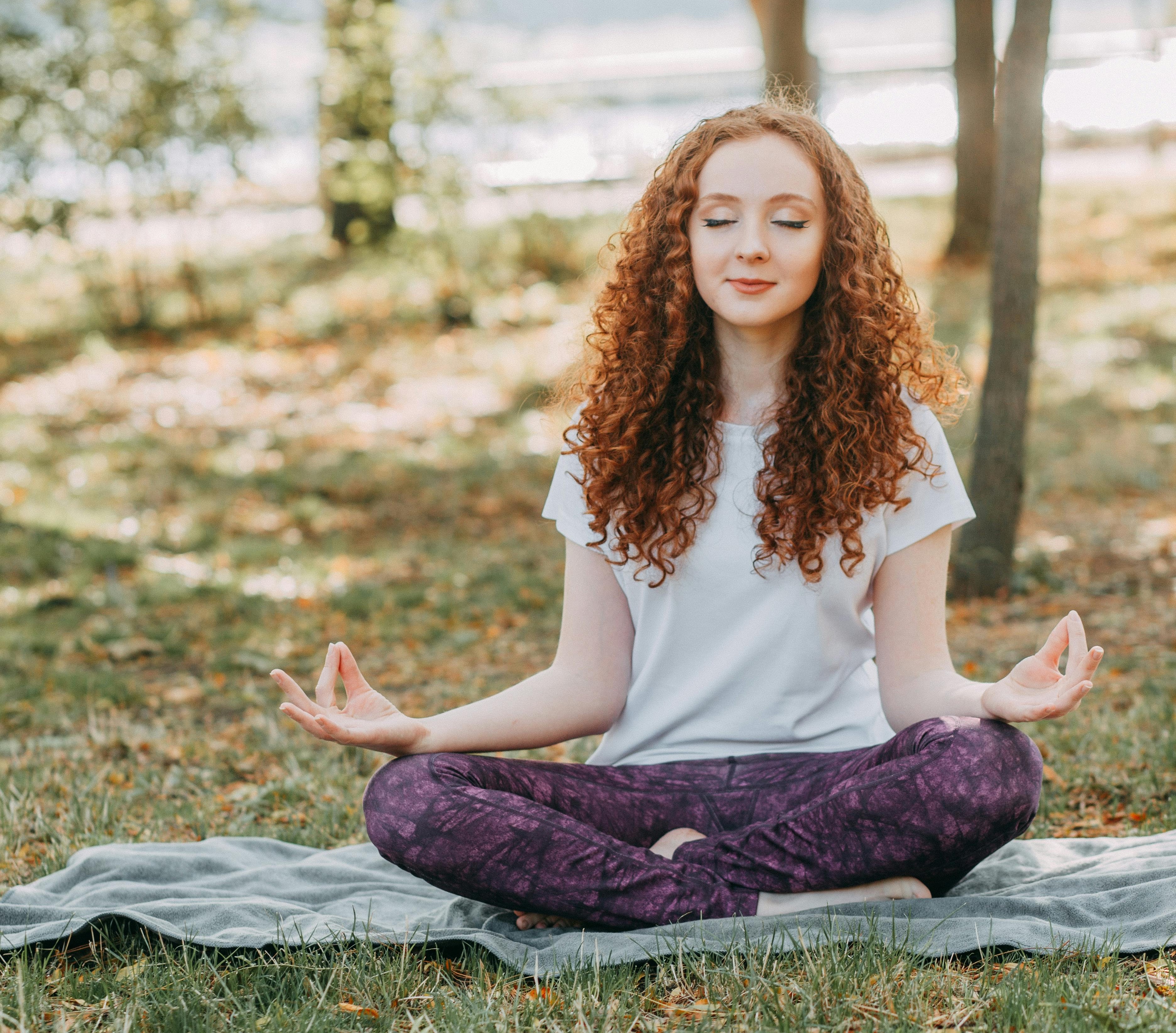
A Seated Spinal Twist (Ardha Matsyendrasana) is another pose that can promote proper posture and neck strength. This yoga twist pose helps you maintain spinal flexibility while enhancing lung capacity, helping you breathe properly without straining your neck. You can extend one leg long and cross the other leg on top before twisting over the crossed leg, or do a simple twist from Easy Seat (Sukhasana). On your inhales, sit up tall and lengthen the spine, before using your exhales to twist more deeply. Draw your chin back slightly to keep your neck in line with your spine.
Sphinx Pose (Purushamrigasana)
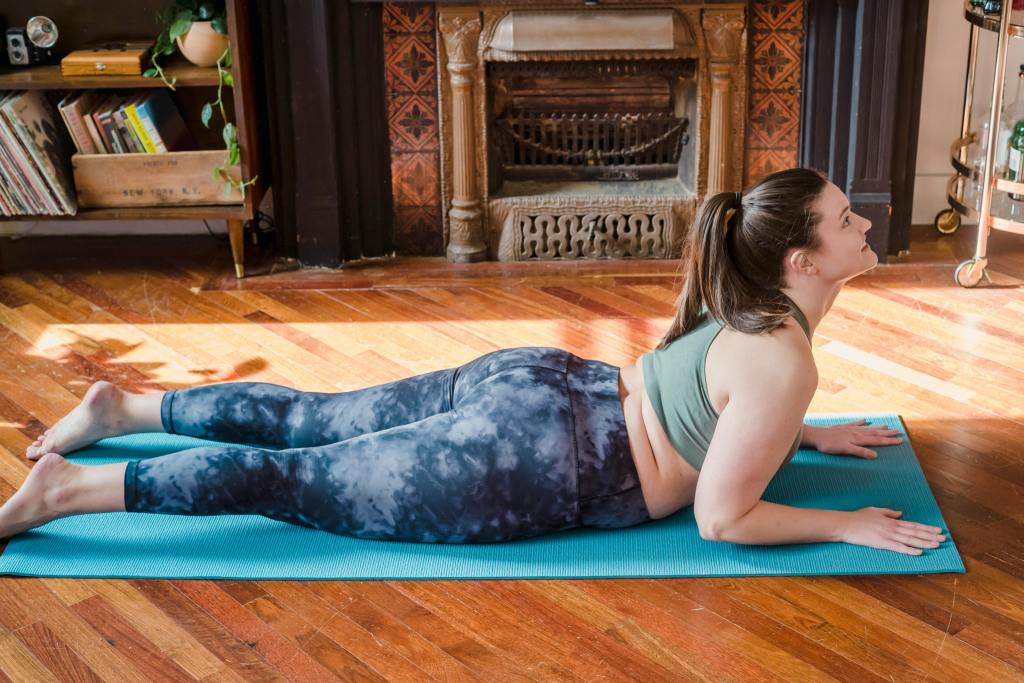
Sphinx Pose (Purushamrigasana) is a supported backbend that aligns the thoracic spine, which starts at the base of your neck and ends at the bottom of your ribs. It also helps strengthen the shoulders, while providing support from the floor. Lying on your stomach, bring your elbows under your shoulders, and position your arms in a number 11. Using your neck as a natural extension of your spine, look forward. Use the breath to expand the chest.
Child’s Pose (Garbhasana)

Child’s Pose (Garbhasana) is another gentle yoga pose that can stretch your neck and help relieve pain. You can do Child’s Pose several types of ways, with the knees wide apart or with the knees together, with the arms reaching forward or reaching behind you. Use the breath to relax a little bit more with each exhalation.
Extended Puppy Pose (Uttana Shishosana)
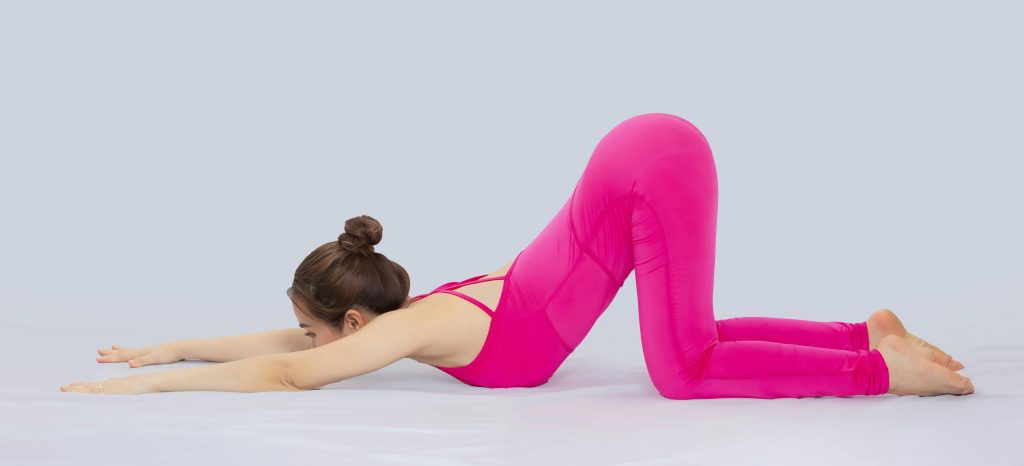
Extended Puppy Pose has the dual benefits of elongating the spine while giving your neck the opportunity to rest as you place your forehead on the ground. This pose stretches the spine, shoulders and chest, as well as expands the upper back. Come into a Table Top Pose (Bharmanasana), then walk your hands and arms forward into a number 11 while keeping your hips above your knees. Hold for several deep breaths.
Forward Folds
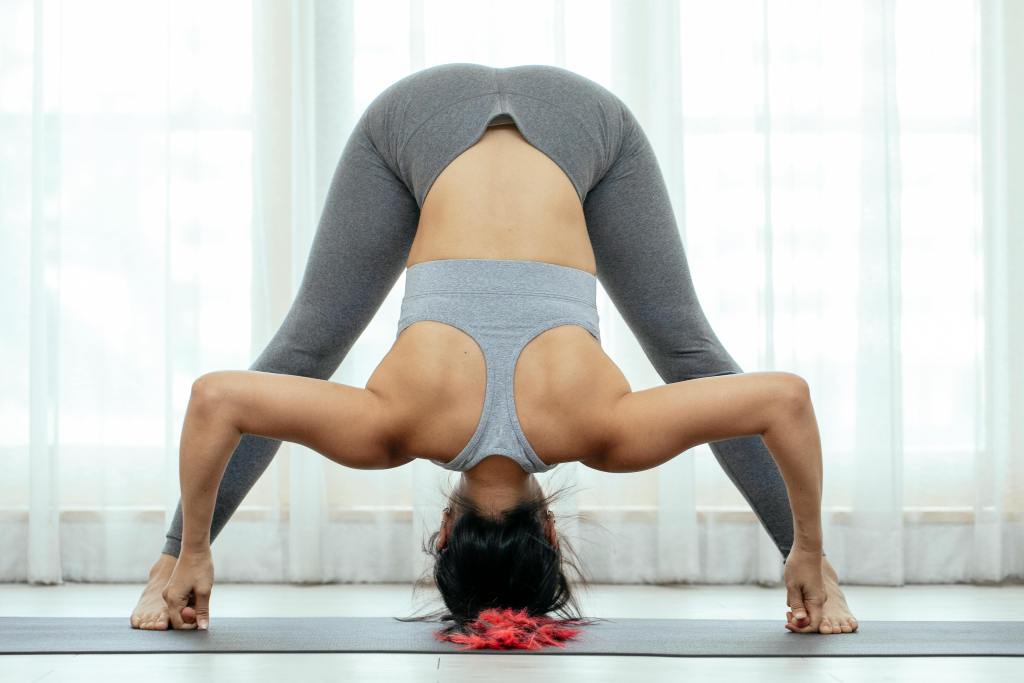
Forward folds like Uttanasana and a Wide-Legged Forward Fold (Prasarita Padottanasana) help relieve neck tension by allowing the head to hang freely. When you’re in a forward fold, avoid pinching the neck. Let the head hang heavy to release tension from the cervical spine. You can slowly nod your head yes or shake it no to introduce some gentle movement.
Always consult a physician before starting a yoga practice, including yoga for neck pain.
What’s Your Favorite Yoga Pose for the Neck?
These are just a few ways you can stretch and strengthen the neck in yoga, as well as release neck tension and alleviate pain. If you’re approaching a yoga practice with an intention to target the neck, try to be mindful of your neck during every pose. As I cue students in my Alexandria, VA yoga classes, in general:
- Try to align your neck with your spine. Gently moving the chin back slightly can help you achieve this.
- Be mindful of carrying tension in your jaw. Avoid gritting your teeth or grimacing during your practice. This can lead to tension in the neck.
- Back off when you feel pain. Learn how to distinguish yoga progress versus pain.
- Go slowly. Use micromovements to progress your practice, especially when targeting the neck. Always listen to your body to adjust your postures.
You can also practice neck stretches throughout your day, when you need a break from your desk job, for example. In addition to consulting with a doctor for neck pain, you can keep a journal of your yoga practice to see how certain poses and movements are impacting your neck, and use your insights to evolve your practice.
Have a topic you’d like me to write about next on this yoga in Alexandria blog? Contact me.
About the author: Nicki Escudero is a journalist and RYT-200 yoga instructor certified by Yoga Alliance. She teaches group and private yoga classes in Alexandria, VA, and Washington, DC. Contact Nicki.




Leave a Reply