

According to the American Academy of Orthopaedic Surgeons, nearly everyone will experience low back pain sometime. There are numerous causes to this, including movements like bending and lifting, or something as simple as getting older, becoming stressed, or sleeping in an uncomfortable position.
Your back includes a system of muscles, tendons and bones that can become injured and, in turn, impact each other. Strains, sprains, spinal fractures, disk problems and other medical issues can all contribute to lower back pain. Around one-quarter of adults around the globe have chronic lower back pain, the Cleveland Clinic reports.
One way to prevent and treat lower back pain is to practice yoga poses that support and target the lower back. Most yoga poses rely on the core in some way, which helps you also support your lower back.
Learn more about what contributes to lower back pain and how you can use yoga to protect your lower back.
Always consult with a physician before beginning a yoga practice, including to target lower back pain.
What Causes Lower Back Pain?
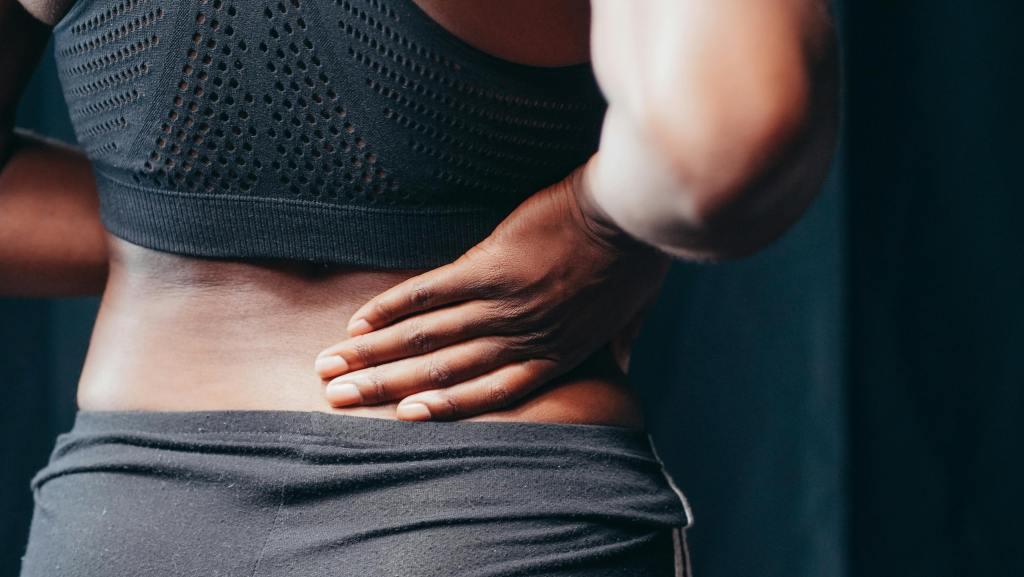
For more than 90% of people with lower back pain, there is no specific cause, the World Health Organization reports. Lower back pain can be temporary, or it can be long-term. It may flame up due to certain types of actions, or non-physical causes like mental health and stress could exacerbate lower back pain.
Some of the factors that increase someone’s risk of lower back pain, according to Cleveland Clinic, include:
- Age: Lower back pain risk goes up at age 30 and above.
- Weight: Excess weight contributes to lower back pain risk, including during pregnancy.
- Poor core strength: Since your abdominal muscles support your spine, lack of core strength could put you at risk for pain.
- Repetitive movement: Frequent bending and lifting could contribute to lower back pain, especially when movements aren’t done safely.
- High stress levels: According to UCLA Health, sustained or chronic stress can trigger a physiological response in the body that leads to physical injury, in places like the lower back.
- Lifestyle factors: Activities such as smoking, drinking and lacking physical exercise are all associated with a higher risk of lower back pain.
The good news is, yoga can both support physical health, like building a strong core foundation, as well as mental health, by offering a way to destress. There are specific yoga moves that really target the lower back, but a yoga practice overall can help you alleviate stress and support your mental health, which also benefits you physically.
10 Yoga Poses for Lower Back
A systematic review of yoga studies as a treatment for chronic low back pain, published by the U.S. Department of Veterans Affairs, confirmed yoga can reduce pain and disability, as well as improve psychological symptoms, for those with lower back pain. A consistent yoga practice helps you strengthen your back muscles, while some poses and stretches, like hugging your knees in and rocking back and forth, feel soothing for the lower back.
If you’re a yogi with lower back pain issues, you can integrate the following poses in your practice to target the lower back.
Always consult with your physician before using yoga to address lower back pain.
1. Cat Cow Pose (Marjaryasana-Bitilasana)

Cat Cow (Marjaryasana-Bitilasana) is a foundational yoga stretch that offers gentle back bending. Come onto your hands and knees, with your hands under your shoulders and your knees under your hips. On your inhale, drop your belly, open your chest, and lift your chin to arch the spine. On your exhale, curl the tailbone under, tuck the chin, and round the spine. Repeat for several rounds.
2. Sun Bird (Chakravakasana) With Tiger Stretches
Sun Bird (Chakravaksana) with Tiger Stretches help strengthen the abdomen and back. Again, start on all fours in a tabletop position. Extend your left arm forward like you’re going to shake someone’s hand and your right leg back, with your toes pointed down and heel pointed up. Inhale to lengthen your reaching and kicking, and on your exhale, bring your left elbow to touch your right knee. Repeat several times, then switch sides. You can modify by keeping your hands on the ground.
3. Downward Dog (Adho Mukha Svanasana)
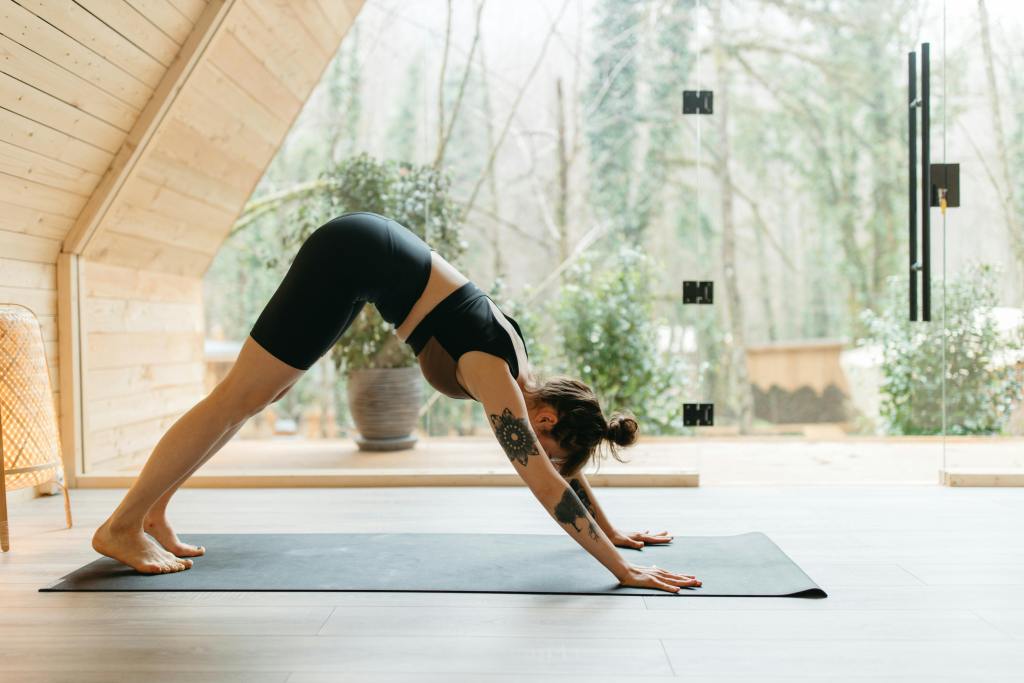
Downward Dog (Adho Mukha Svanasana) “tractions” the spine, which means it stretches, lengthens and decompresses the spine to reduce stiffness in the lower back. Come into a Plank Pose (Chaturanga Dandasana) or Modified Plank Pose and uncurl the toes, and lift the hips up to come into an upside-down V position. Press your torso toward your thighs, and bend your knees as much as you need to in order to keep the spine long and not rounded. This helps you create space between each vertebra.
4. Triangle Pose (Trikonasana)
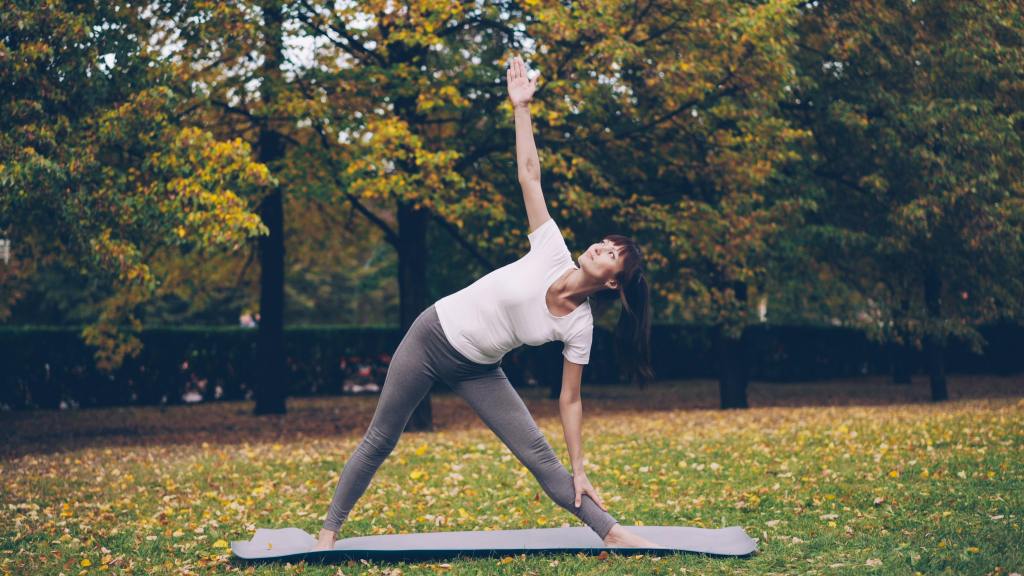
Triangle (Trikonasana) is another pose that lengthens and aligns the spine, while strengthening the waist and torso. Come into a wide standing stance. Turn your back foot to align with the back edge of your mat. Line up the front heel with the back foot’s arch, like you’re standing on a tightrope. With relatively straight legs, reach your arms forward in a line, as in Warrior II (Virabhadrasana II). Tilt the hips back, and reach the arms forward. Lower the back of the front hand to the inside of the front leg. Reach the back arm up, aligning your arms in one straight line.
5. Sphinx Pose (Purushamrigasana)

Sphinx Pose (Purushamrigasana) is a gentle, supported back bend that helps support the spine and lower back. Lying down on your stomach, bring your elbows under your shoulders. Position your arms in a number 11 shape. Take deep breaths. You can gently rock the hips back and forth, as well.
6. Cobra Pose (Bhujangasana)
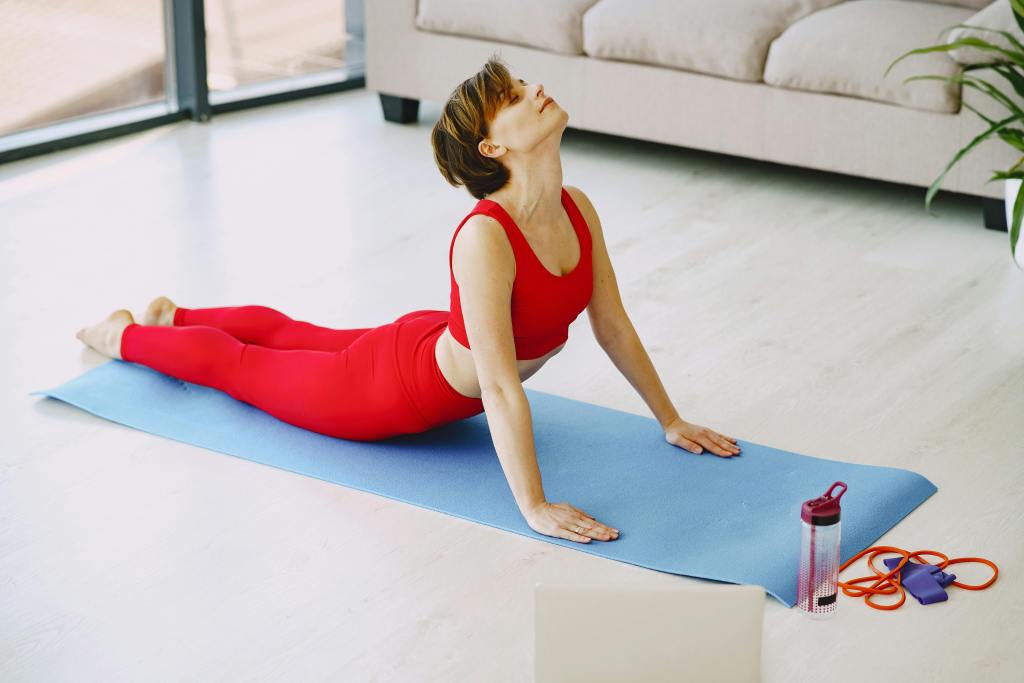
Cobra Pose (Bhujangasana) progresses Sphinx, as you lift your torso up away from the mat using the strength of your arms. Lying down on your stomach, bring your hands under your shoulders. Push into your hands, lift your chest up, and push the tops of the feet into the mat. Draw your shoulders away from your ears to broaden the chest. Hold for several breaths, or do a Cobra flow that involves pushing up into Cobra on the inhale, and lowering on the exhale.
7. Bridge Pose (Setu Bandhasana)

Bridge Pose (Setu Bandhasana) uses your back muscles, as well as your glutes and core, to practice the pose. It’s a good pose both to lengthen the spine and feel lower back relief, while also strengthening the back body to provide more support to your lower back. Place your feet hip-width distance apart, and your arms down by your sides with the palms on the ground. Squeeze your glutes, and lift your hips up. You can interlace your fingers underneath you and roll the shoulders under to lift higher. Hold for several breaths, or do a Bridge flow that involves lifting up into Bridge on the inhale, and lowering on the exhale.
8. Child’s Pose (Balasana)

Child’s Pose (Balasana) stretches the spine and encourages spinal flexion, which is a rounding of the spine. Starting with the knees together or mat’s width-distance apart, fold your upper body down to rest your chest and forehead on the mat. You can reach the arms forward in both variations, or reach the arms backwards if your knees and shins are together. Take several deep breaths, and use the exhale to relax the hips deeper.
9. Standing Forward Bend (Uttanasana)

A Standing Forward Fold (Uttanasana) is another pose that can help you elongate the spine. Bring your feet about hip-width distance apart. Hinge forward with your hips, then release the upper body, and let your arms and head hang heavy. Bend your knees as generously as you’d like, listening to your body to enable it to relax and let go a little bit more with every exhale.
10. Mountain Pose (Tadasana)

Because Mountain Pose (Tadasana) is a foundational yoga pose that promotes good posture, it can help you practice lengthening your spine in everyday life to stay in alignment as you stand and move. Mountain Pose encourages you to keep your core strong, which helps relieve tension from the lower back and provide spinal support.
For Lower Back Pain Relief in Yoga, Use Your Awareness

An important part of a safe yoga practice is to listen to your body and tune in to how you feel in every moment. It’s vital to distinguish between progress vs. pain in yoga. If you ever feel like your lower back is in pain, it’s important to back out of the pose and adjust your movement.
If you’re working out lower back pain in a yoga practice, using props like blocks in yoga can help. Also, because the back is part of the core, and you’re using your core in virtually every single yoga pose, bringing your awareness to your lower back can help you target it more as you practice.
Remember: always consult a physician before beginning a yoga practice, especially for lower back pain.
When I’m experiencing lower back pain, one of my favorite restorative yoga movements to do in an Alexandria yoga class is Apanasana, a Knees to Chest Pose. You can bring both your knees into your chest and wrap your arms around your shins, then rock side to side to give yourself a lower back massage. Floor poses like Supine Butterfly Pose (Supta Baddha Konasana) and Happy Baby Pose (Ananda Balasana) can also provide restorative ways to open up and soothe the lower back. Experiment with what works best for you.
Is there a yoga pose or poses that have helped you lessen lower back pain? Share your favorites in the comments.
Have something you’d like me to write about next on this yoga in Alexandria blog? Send me a message.
About the author: Nicki Escudero is a journalist and RYT-200 yoga instructor certified by Yoga Alliance. She teaches group and private yoga classes in Alexandria, VA, and Washington, DC. Contact Nicki.


Leave a Reply