

Yoga is a low-impact exercise that can get your heart rate pumping, strengthen and tone your muscles, and help you maintain a healthy weight at any point in your life. Yoga is a great form of exercise for pregnant women, because many yoga poses are safe and effective to do during pregnancy.
Pregnant women have different considerations than non-pregnant yogis, in order to keep themselves and their soon-to-be newborns safe. Learn more about the benefits of yoga for pregnant women, yoga poses to avoid when you’re pregnant and considerations for doing yoga while pregnant.
Always consult a physician before beginning a yoga practice.
Benefits of Yoga for Pregnancy

Yoga provides myriad physical and mental health benefits for students, including pregnant women. According to the American Heart Association, yoga benefits for pregnant women include:
- Lower anxiety and stress
- Lower blood pressure
- Shortened labor
- Reduced labor pain
The mental health benefits of yoga can help pregnant women have a healthier overall pregnancy and delivery, since stress, anxiety and high blood pressure could lead to issues like premature birth and low birthweight. A study published in the journal “BMC Pregnancy and Childbirth” also found a regular yoga practice for pregnant women had positive effects on stress, anxiety, depression, mode of birth and duration of labor.
Also, because the American College of Obstetricians and Gynecologists recommends that pregnant women continue to exercise during pregnancy, yoga provides a physical workout that supports overall health. In yoga, you’ll tone abdominal muscles, the pelvic floor and hips, which can help during delivery.
Pregnant women with certain conditions, such as shortness of breath, high blood pressure, dizziness and cervical problems, may not be able to safely exercise. Always consult a physician before beginning an exercise program, including yoga.
Some of the best forms of exercise during pregnancy are those that are low-impact, which are workouts that don’t over-strain joints and bones. These include walking, swimming, elliptical movements and yoga.
Before you begin a yoga practice while pregnant, talk with your doctor about what they recommend for you and your body. Your capabilities may change throughout your pregnancy, and what you’re experiencing may also impact your physician’s recommendations for what to avoid. If you’ve never taken yoga before but want to do so while pregnant, definitely talk to your physician first to understand what to avoid.
Once your doctor clears you to do yoga while pregnant, you can modify your practice for your body and health needs. If you’re taking a non-heated group class (avoid hot yoga) that’s not specifically for prenatal students, it’s really helpful to tell your instructor you’re pregnant first, so they can provide helpful cues and modifications specifically for your pregnancy.
Yoga Poses to Avoid While Pregnant
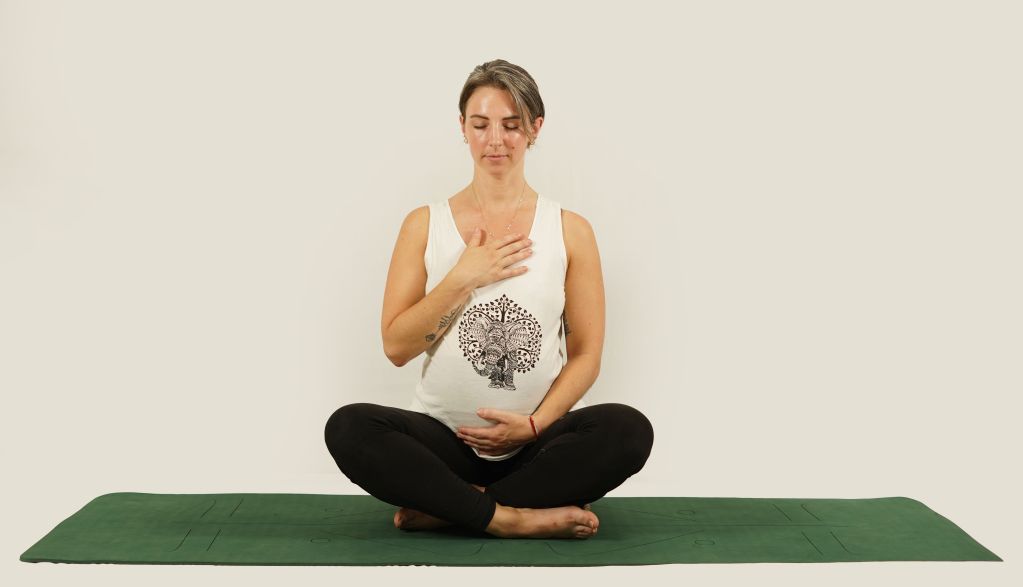
When you’re pregnant, your body is changing from the inside-out. These external and internal changes will affect how you can practice yoga safely while pregnant.
Always talk with your physician for personalized, safe recommendations for yoga while pregnant.
In general, hot yoga should be avoided while pregnant. That’s confirmed by studies including those published by Canadian Family Physician and Mayo Clinic, as well as advised by the American Pregnancy Association, because higher temperatures could lead to hyperthermia and increase injury risk to both mom and baby.
For general poses in a non-heated yoga class, here’s what to be aware of when doing yoga while pregnant.
Avoid Poses That Put Pressure on the Abdomen
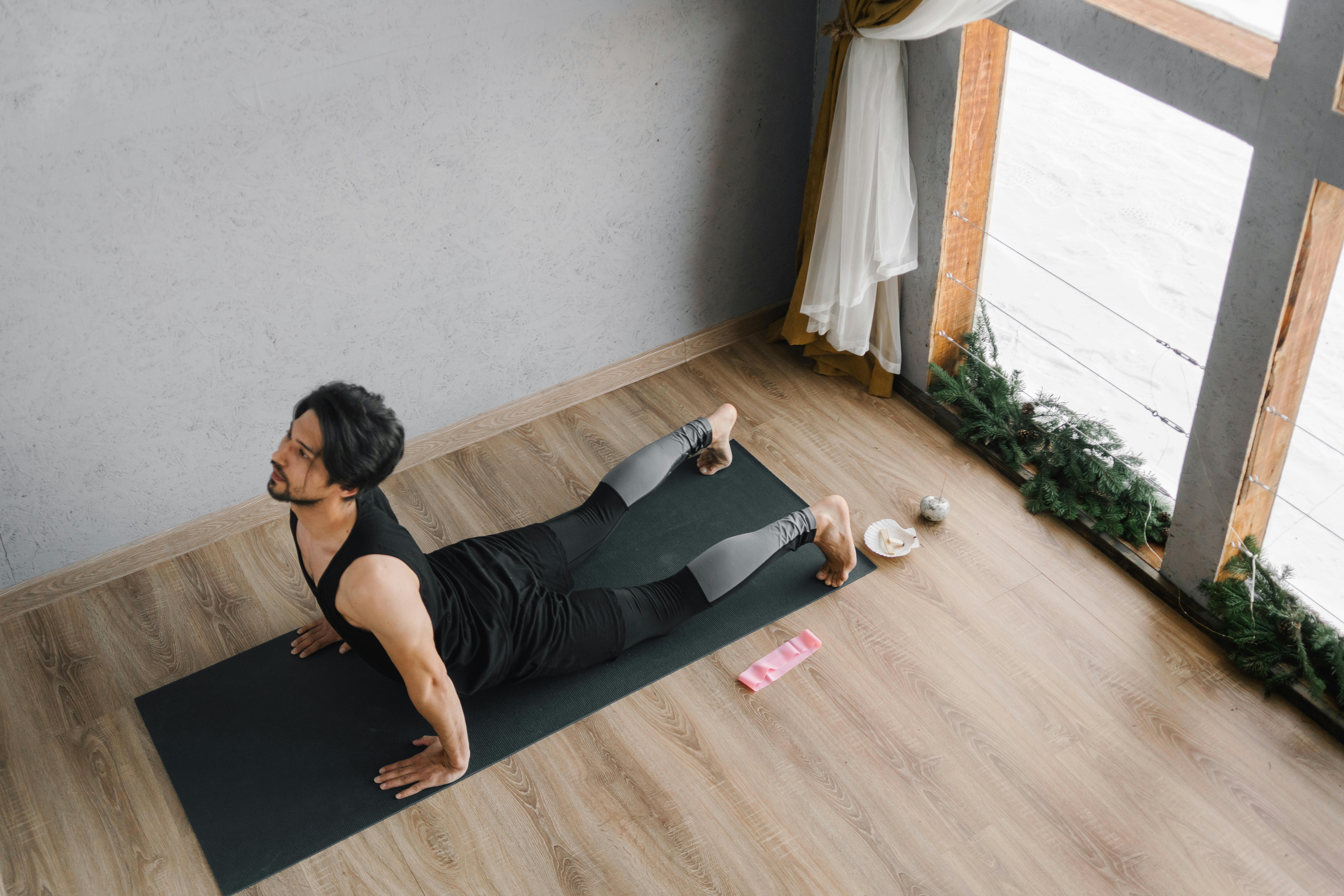
You don’t want to compress your belly during pregnancy, so poses that require you to lie down with your stomach on the floor should be avoided. These include:
- Cobra Pose (Bhujangasana)
- Locust Pose (Salabhasana)
- Bow Pose (Dhanurasana)
- Sphinx Pose (Salamba Bhujangasana)
What about Child’s Pose (Balasana), where we’re folding toward the floor? Child’s Pose is safe for pregnant women, as long as you accommodate the belly. Props like yoga blocks are helpful when you’re pregnant. You can place your hands on blocks to elevate the stomach, or move into Child’s Pose slowly from Tabletop (Bharmanasana) to stretch out the shoulders in a safe position.
Avoid Closed Twists While Pregnant
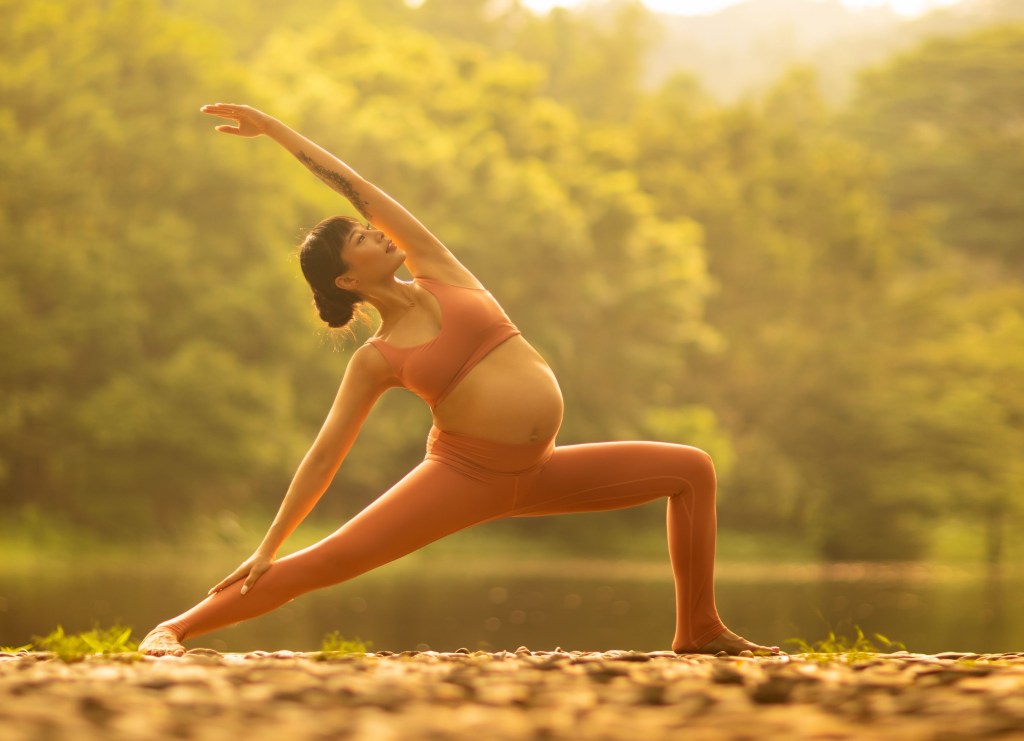
Yoga twists are great because they increase spinal mobility and provide energy. For pregnant women, you’ll want to avoid closed twists that constrict the belly. For example, in a Low Lunge Twist (Privrtta Anjaneyasana), we’re twisting our bellies toward the outside of the front leg. To modify, twist toward the inside instead, to make it an open twist.
Some other twists to be mindful of avoiding include:
- Runner’s Lunge Twist (sometimes called Easy Twist)
- Revolved Side Angle Pose
- Revolved Triangle Pose
If you’re cued to revolve your body so that it’s twisting toward the outside of the front leg, simply stay in the open, non-revolved position. For poses that cue you to twist, modify by making the twist an open twist, or skip the pose.
Be Mindful of Poses That Require Lying on Your Back
Once you’ve reached the 5-month mark in your pregnancy, your doctor may recommend you avoid lying down on your back, especially for long periods of time, like while sleeping. That’s because the uterus can put pressure on your aorta and inferior vena cava, which could affect blood flow for yourself and your fetus.
The research on whether lying-down poses like Savasana (Corpse Pose) should be completely avoided in yoga is mixed. A Harvard Health Publishing study found poses like Savasana and Legs Up the Wall Pose (Viparita Karani) were safe for women who had even reached 38 weeks of pregnancy.
Staying in Savasana for 5 minutes at the end of class or for a couple of minutes in a pose like Supine Spinal Twist (Supta Matsyendrasana) may work for you. This is a category of poses you should consult with your physician before attempting.
It’s also important to listen to your body and distinguish pain during yoga. According to Cleveland Clinic, if you’re lying on your back and feel light-headed or uncomfortable, it’s important to listen to your body and roll over to your side.
Be mindful of lying-down poses like the following if you’re pregnant:
- Savasana
- Happy Baby Pose (Ananda Balasana)
- Reclined Hand-to-Foot Pose (Supta Padangusthasana)
- Reclining Butterfly Pose (Supta Baddha Konasana)
If you feel uncomfortable in any of these poses at any time, modify by rolling over to your side and resting in the fetal position, instead. You can also sit up and stretch, for example in a Butterfly from a seated position, as an alternative. You may find that props like blankets and blocks are helpful to provide extra support.
Avoid Advanced Inversions While Pregnant
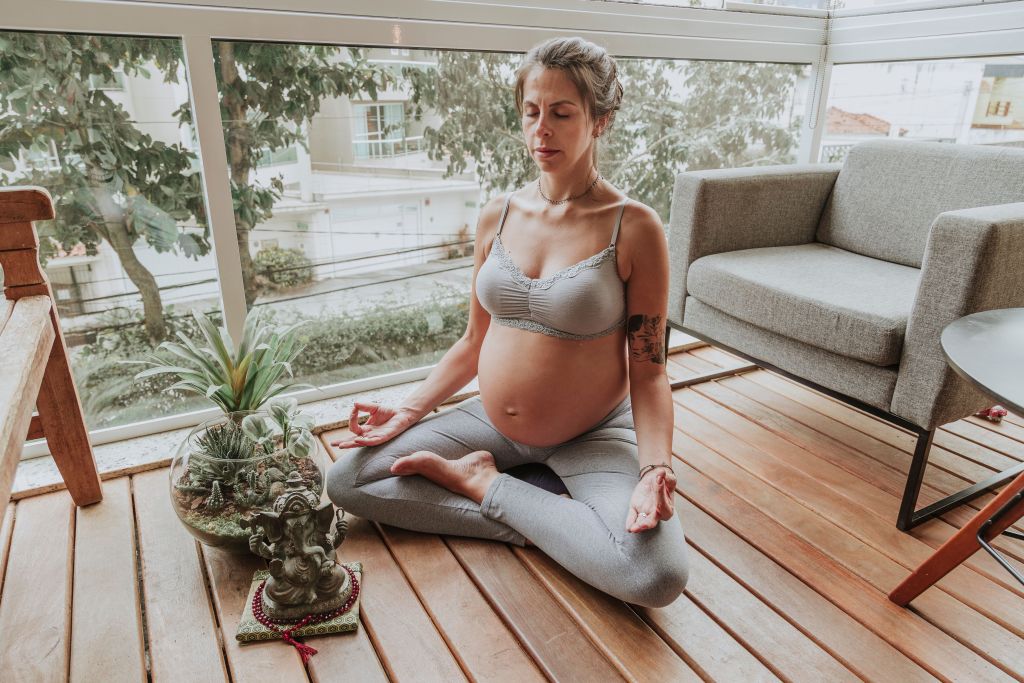
Inversions are yoga poses where your head and heart are located below your hips. These include everything from Downward Facing Dog (Adho Mukha Svanasana) to Standing Forward Fold (Uttanasana). Inversions can be challenging even for those who aren’t pregnant, because you may experience a blood rush to the head that can cause feelings of dizziness.
Similarly to the above poses, the Harvard Health Publishing study found basic restorative inversions like Downward Facing Dog and Standing Forward Fold are safe for pregnant women. Again, it’s important to be mindful of how you feel and to move out of the pose if you feel any dizziness or discomfort.
Avoid inversions that may increase risk of fall, such as headstands and handstands. Shoulder Stand (Salamba Sarvangasana) should also be avoided, since it’s a more advanced inversion that can put pressure on your belly.
Talk With Your Doctor to Do Yoga While Pregnant
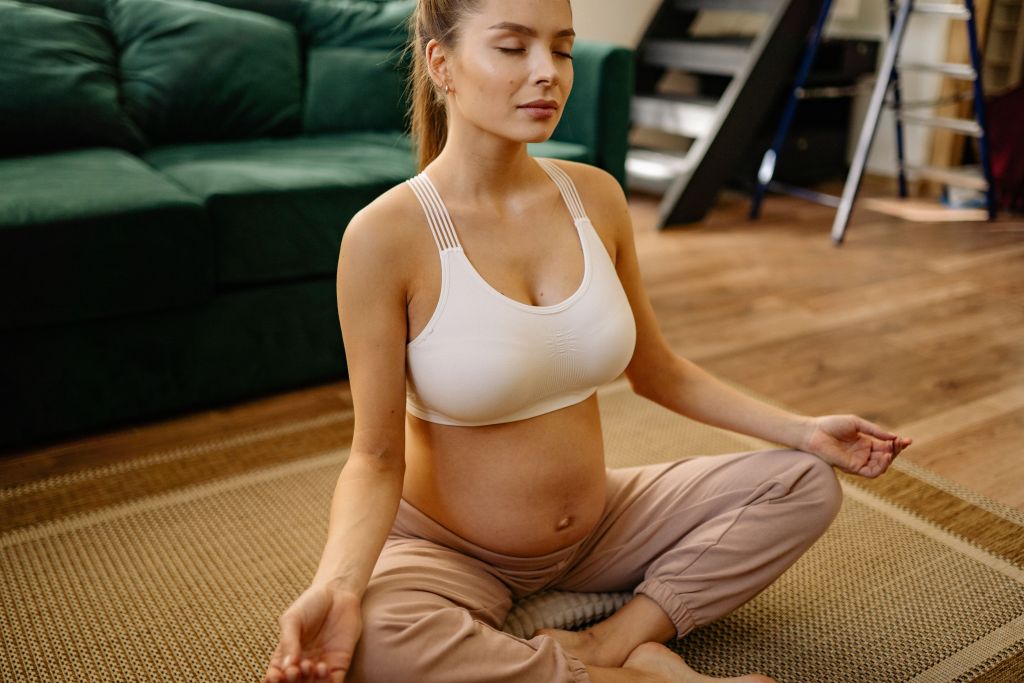
Your physician is always your first point of contact when you’re pregnant, in regards of what poses are safe for you in yoga and what you should avoid. Every pregnancy and body is unique, so what works for others may not work for you.
If you attend a group yoga class in Alexandria or somewhere else while pregnant, talk with your instructor prior to class. Your instructor can remind you of things to avoid and be aware of during the yoga practice, as well as give you cues throughout class that allow for yoga while pregnant modifications.
It’s important in yoga for pregnancy to listen to your body and always move into poses safely and mindfully, while adjusting as necessary. Some pregnant women continue to do standing balancing postures, but as they increase risk of falling, they serve as an example of not pushing yourself too far and always putting safety first.
Yoga during pregnancy can be a great way to maintain your health and feel better during pregnancy and during childbirth. Consider this low-impact exercise as a way to stay fit and feel good while you’re pregnant.
Have you taken yoga while pregnant? Share your experience and tips for others in the comments.
Is there something you’d like me to write about next on this yoga in Alexandria blog? Message me.
About the author: Nicki Escudero is a journalist and RYT-200 yoga instructor certified by Yoga Alliance. She teaches group and private yoga classes in Alexandria, VA, and Washington, DC. Contact Nicki.


Leave a Reply